
Buy and produce it again. Waste it. If we would make things more sustainable we would be less exploitable almost along the whole line. But things are made to go broke.
This kind of world does not make sense in any way. It is wasteful and exploitative, and it does not lead to a sustainable future. In order to make the world more sustainable, companies must invest in creating products that are designed to last, rather than ones that are designed to break down after a certain amount of time. Furthermore, companies should focus on reducing their carbon footprint, by changing their production processes to use more renewable and efficient energy sources such as solar and wind power. Finally, companies should use recycled materials and strive to reduce the amount of waste they produce. By doing these things, we can create a more sustainable world that is less exploitative and more environmentally friendly. (ao)
“It is not that we have so little time but that we lose so much. … The life we receive is not short but we make it so; we are not ill provided but use what we have wastefully.”
Seneca
Start writing…
AI Created: Artificial Intelligence talking about Usury.
Me: Within a usury and usury unaware society people will be motivated to waste. Things will be made to go broke
Beta.openai.com/playground (jan23):
… and people will be eager to spend more money than they can afford. This can lead to debt and poverty, as people will be trying to buy things they cannot afford. As a result, businesses that offer predatory lending practices could take advantage of people in need of quick cash. This can lead to an increase in poverty and inequality, as those who can afford to borrow money will have access to more resources than those who cannot. Additionally, it is also possible that people may start to hoard money, as they will be aware of the risks associated with borrowing money. This could lead to an overall decrease in economic activity, as people may be less likely to invest or spend money.
Buy the AI a drink (in holofuel)
Extra:
1. Disposable Income: Money that is left over after taxes and other deductions are taken from a person’s salary.
2. Consumer Confidence: The degree of optimism that consumers have about the economy and their own financial situation.
3. Taxation: The process of collecting taxes from citizens and businesses.
Wikipedia:
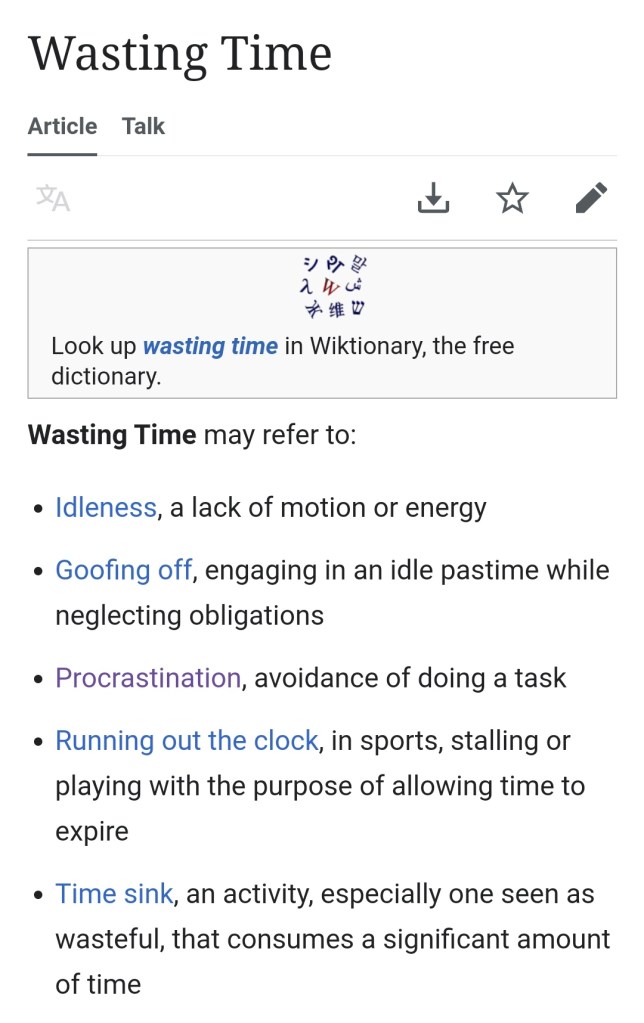
- https://en.m.wikipedia.org/wiki/Wasting_Time
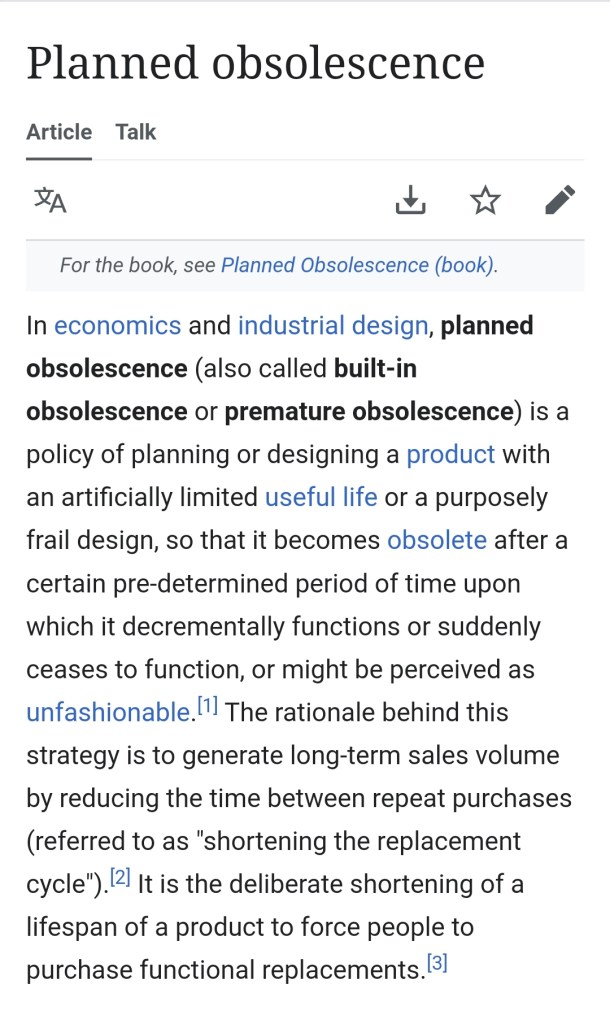
- https://en.m.wikipedia.org/wiki/Planned_obsolescence
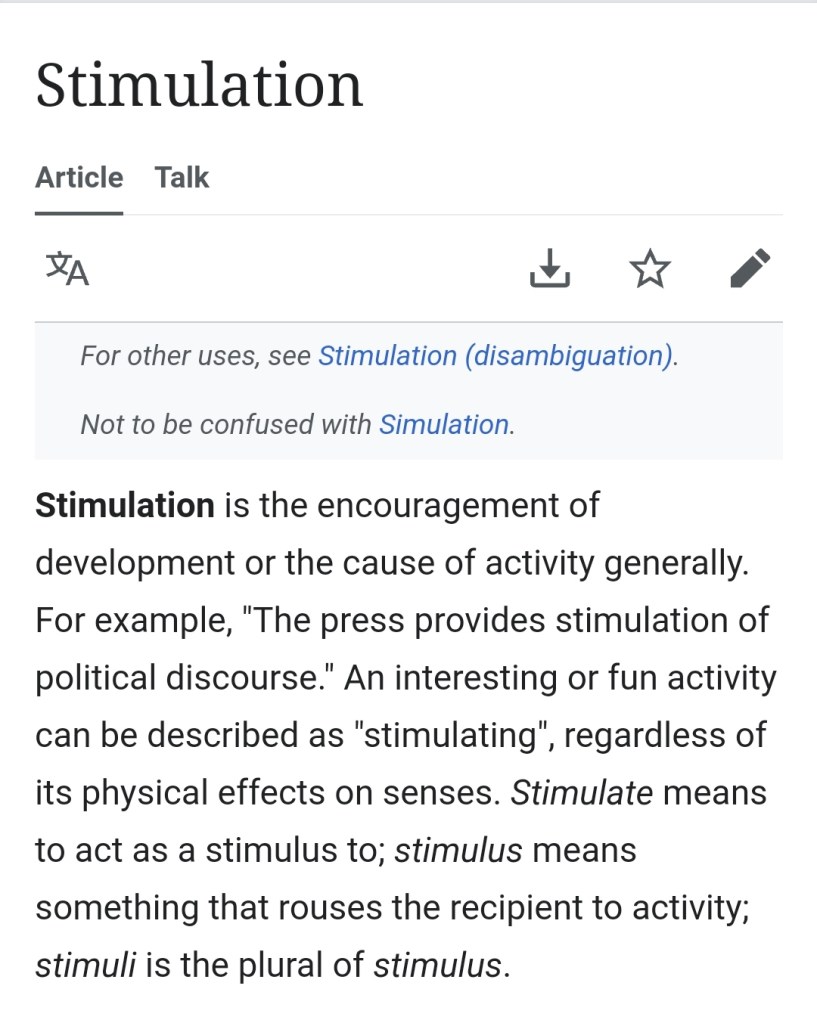
- https://en.m.wikipedia.org/wiki/Stimulation
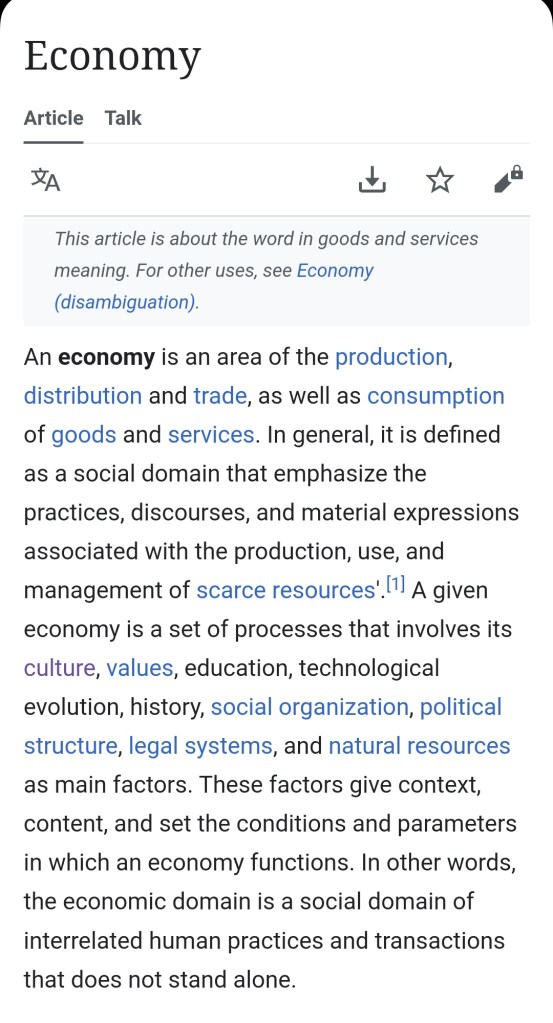
- https://en.m.wikipedia.org/wiki/Economy
Affiliate:
Books:
- “The Story of Stuff: How Our Obsession with Stuff Is Trashing the Planet, Our Communities, and Our Health—and a Vision for Change” by Annie Leonard (2010)
- “Cradle to Cradle: Remaking the Way We Make Things” by William McDonough and Michael Braungart (2002)
- “The Upcycle: Beyond Sustainability—Designing for Abundance” by William McDonough and Michael Braungart (2013)
- “The Waste Makers” by Vance Packard (1960)
- “No Logo” by Naomi Klein (1999)
Documentaries:
- “The True Cost” (2015)
- “Planned Obsolescence” (2014)
- “Waste Land” (2010)
- “Garbage Warrior” (2007)
- “Death by Design” (2016)
Movies:
- “Wall-E” (2008)
- “The Lorax” (2012)
- “Fight Club” (1999)
- “The Big Short” (2015)
- “The Graduate” (1967)
Series:
- “Black Mirror” (2011-2019)
- “Utopia” (2013-2014)
- “Westworld” (2016-2020)
- “Mr. Robot” (2015-2019)
- “Better Call Saul” (2015-2022)
Songs:
- “Big Yellow Taxi” by Joni Mitchell (1970)
- “The 3 R’s” by Jack Johnson (2006)
- “C.R.E.A.M.” by Wu-Tang Clan (1993)
- “Disposable Heroes” by Metallica (1986)
- “World in My Eyes” by Depeche Mode (1990)
Artworks:
- “Trash” by Ha Schult (1996)
- “One Ton Cube” by Walter De Maria (1968)
- “Rubber Duck” by Florentijn Hofman (2007)
- “The Collector” by Michael Landy (2001)
- “The Persistence of Memory” by Salvador Dali (1931)
Podcasts:
- “Sustainababble” by Dave Powell and Olly Pendered
- “The Story of Stuff” by Annie Leonard
- “The Sustainable Futures Report” by Anthony Day
- “Green Dreamer” by Kamea Chayne
- “Sustainability Defined” by Jay Siegel and Scott Breen
Purpose: to revive old knowledge
Would you agree…
#Usury #UsuryC #UC083 #UC084 #UC085
 Usury
Usury 
Leave a comment