

Usury as a tool to create progress. But whose progress? Right?
Usury, when used as a tool to create progress, can be beneficial to those who have access to capital, but can be exploitative to those who do not. Those who are able to borrow money at high rates of interest and then use it to invest in businesses or other ventures can benefit greatly from the process, while those who are unable to borrow money may be left behind or worse, left in a cycle of debt. (OA)


You better have a quick reaction time in this game. The music stops when the interest rates go from low to high (or from high to low).
“People who cannot find time for recreation are obliged sooner or later to find time for illness.”
John Wanamaker
This game is brutal. You’ll deal with pinches (or punches) of poverty. Well maybe you not. Not now. Yet.
AI Created: Artificial Intelligence talking about Usury.
Me: Can the money system be compared with a game of musical chairs?
ChatGPT (jan23):
The money system can be compared to a game of musical chairs in the sense that both involve competition for a limited resource. In a game of musical chairs, players compete for a limited number of chairs, and when the music stops, the players who do not have a chair are eliminated. Similarly, in the money system, individuals and businesses compete for a limited amount of money, and those who are not able to acquire enough money may struggle financially.
Additionally, both the game of musical chairs and the money system can be seen as a zero-sum game, meaning that for one person to win, someone else must lose. In the game of musical chairs, when one person sits in a chair, another person is left without one. Similarly, in the money system, when one person or business acquires more money, someone else has less.
It’s worth noting that the comparison of the money system and game of musical chairs is not perfect, and it’s a metaphor, The money system is much more complex and dynamic than a simple game of musical chairs, and there are many factors that can affect the distribution of wealth, such as economic policies, regulations and the functioning of the markets.
Me: Are you acquainted with the 11th round, a story of Lietaer?
ChatGPT:
I am familiar with the concept of “The 11th Round” which is a story created by Bernard Lietaer, a Belgian economist and expert in monetary systems. According to Lietaer, the story is meant to illustrate the dangers of a monoculture economy that is based solely on one type of money, and how complementary currencies can be used to create a more resilient and sustainable economy.
The story goes like this: in the 10th round of a game of musical chairs, the players realize that there are not enough chairs for everyone, so they decide to create a new, complementary currency to buy extra chairs. In the 11th round, the players with the new currency are able to buy extra chairs and continue playing the game, while those without the new currency are eliminated. The story illustrates how a complementary currency can be used to create more opportunities and options in the economy, and how it can help to distribute wealth more equitably.
Lietaer uses this story to make the point that the use of complementary currencies can help to create a more resilient and equitable economy, by providing more options for people to access the resources they need, and by allowing for greater flexibility in the distribution of wealth.
Me: The story illustrates how poor the current money system is.
ChatGPT:
The story of the “11th Round” can be interpreted as illustrating the limitations and drawbacks of the current money system. The story suggests that relying solely on a single currency can lead to a situation where not everyone has access to the resources they need. By creating a complementary currency, the story illustrates how it is possible to create more opportunities and options for people and how it can help to distribute wealth more equitably.
Additionally, the story highlights how a monoculture economy based on one type of money can make it vulnerable to financial crisis and how a complementary currency can serve as a safety net in such situations. The story also illustrates how a complementary currency can be used to stimulate local economic activity, create more jobs and increase economic resilience.
It’s worth noting that this story is not meant to be taken literally but rather as a metaphor to illustrate the idea of using complementary currencies as a tool to enhance the monetary system and make it more resilient.
Buy the AI a drink (in holofuel)

Extra:
Wikipedia:
- https://en.m.wikipedia.org/wiki/Musical_chairs
- https://en.m.wikipedia.org/wiki/Battle_royal
- https://en.m.wikipedia.org/wiki/Recreation
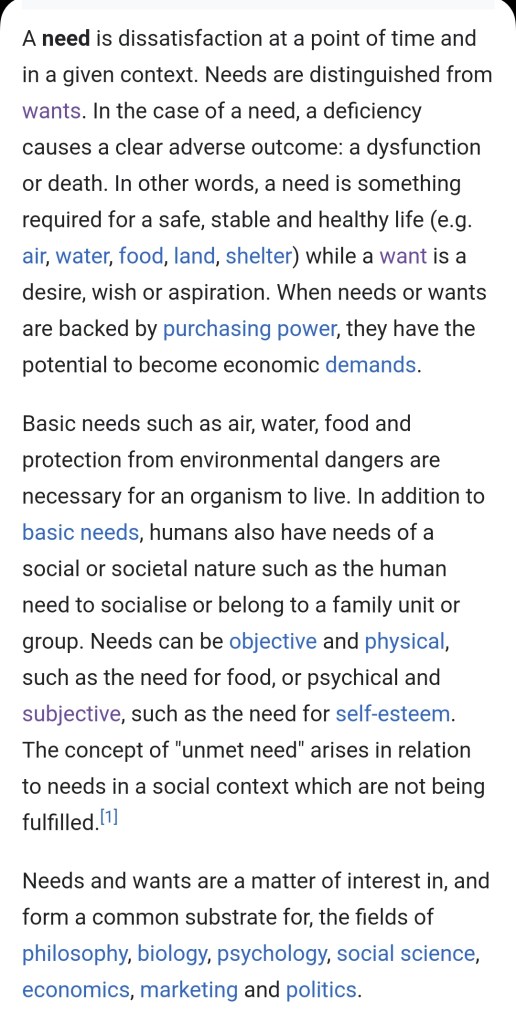
- https://en.m.wikipedia.org/wiki/Need
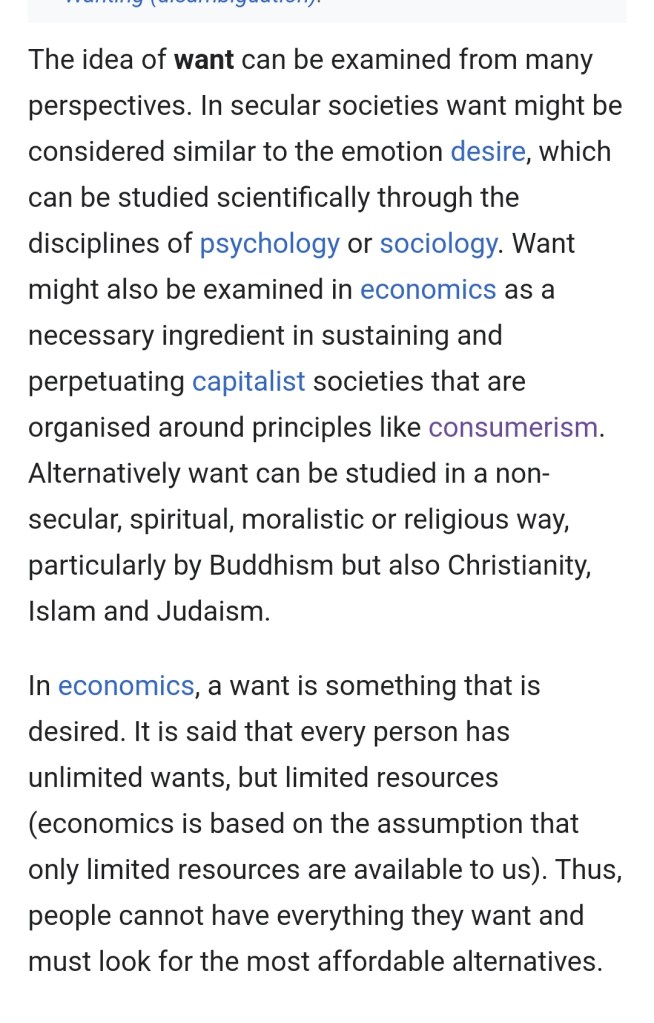
- https://en.m.wikipedia.org/wiki/Want
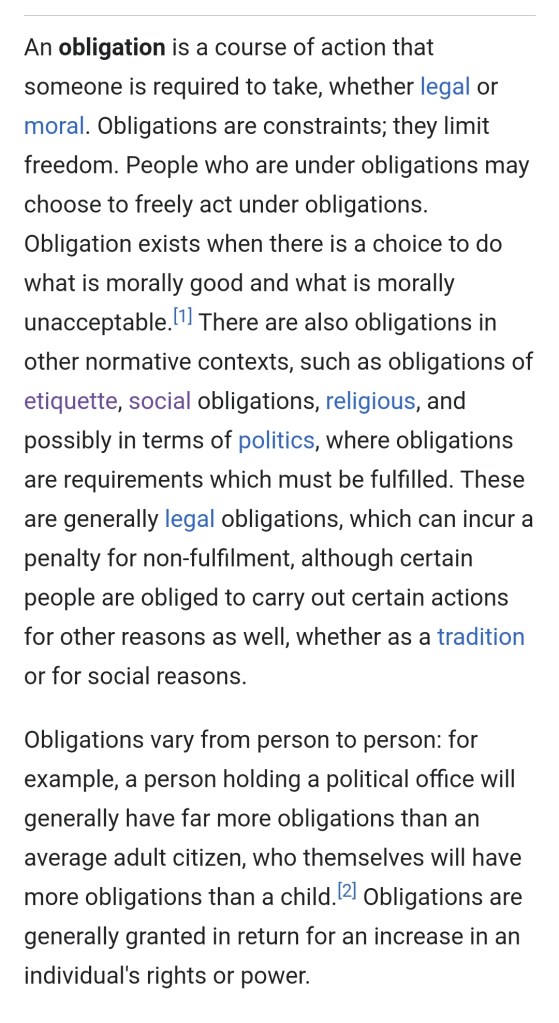
- https://en.m.wikipedia.org/wiki/Obligation
- https://en.m.wikipedia.org/wiki/Social_rejection
Affiliate:
List of books related to “Usury as a tool to create progress. But whose progress? Right?”:
- Debt: The First 5,000 Years by David Graeber
- The History of Usury by Sharon Press
- The Usury Civilization: The New World Order of Interest Capitalism by Michael Harrington
- The End of Money: Counterfeiters, Preachers, Techies, Dreamers – and the Coming Cashless Society by David Wolman
- The Creature from Jekyll Island: A Second Look at the Federal Reserve by G. Edward Griffin
List of documentaries related to “Usury as a tool to create progress. But whose progress? Right?”:
- Inside Job (2010)
- Money as Debt (2006)
- The Secret of Oz (2009)
- Four Horsemen (2012)
- The Ascent of Money (2008)
List of movies related to “Usury as a tool to create progress. But whose progress? Right?”:
- The Big Short (2015)
- Margin Call (2011)
- Wall Street (1987)
- The Wolf of Wall Street (2013)
- The Laundromat (2019)
List of series related to “Usury as a tool to create progress. But whose progress? Right?”:
- Dirty Money (2018- )
- Succession (2018- )
- Ozark (2017-2022)
- Billions (2016- )
- Breaking Bad (2008-2013)
List of songs related to “Usury as a tool to create progress. But whose progress? Right?”:
- “Money” by Pink Floyd
- “Us and Them” by Pink Floyd
- “Material Girl” by Madonna
- “The Times They Are A-Changin’” by Bob Dylan
- “Billionaire” by Travie McCoy ft. Bruno Mars
List of artworks related to “Usury as a tool to create progress. But whose progress? Right?”:
- The Money Series by Andy Warhol
- The Physical Impossibility of Death in the Mind of Someone Living by Damien Hirst
- The True Artist Helps the World by Revealing Mystic Truths by Bruce Nauman
- A Subtlety or the Marvelous Sugar Baby by Kara Walker
- Seagram Murals by Mark Rothko
List of podcasts related to “Usury as a tool to create progress. But whose progress? Right?”:
- Money Talks by The Economist
- Freakonomics Radio by Stephen J. Dubner
- Planet Money by NPR
- The Stacking Benjamins Show
- So Money with Farnoosh Torabi
Purpose: to fund this project

Would you agree…
#Usury #UsuryC #UC004 #UC005 #UC006

 Usury
Usury 
Leave a comment