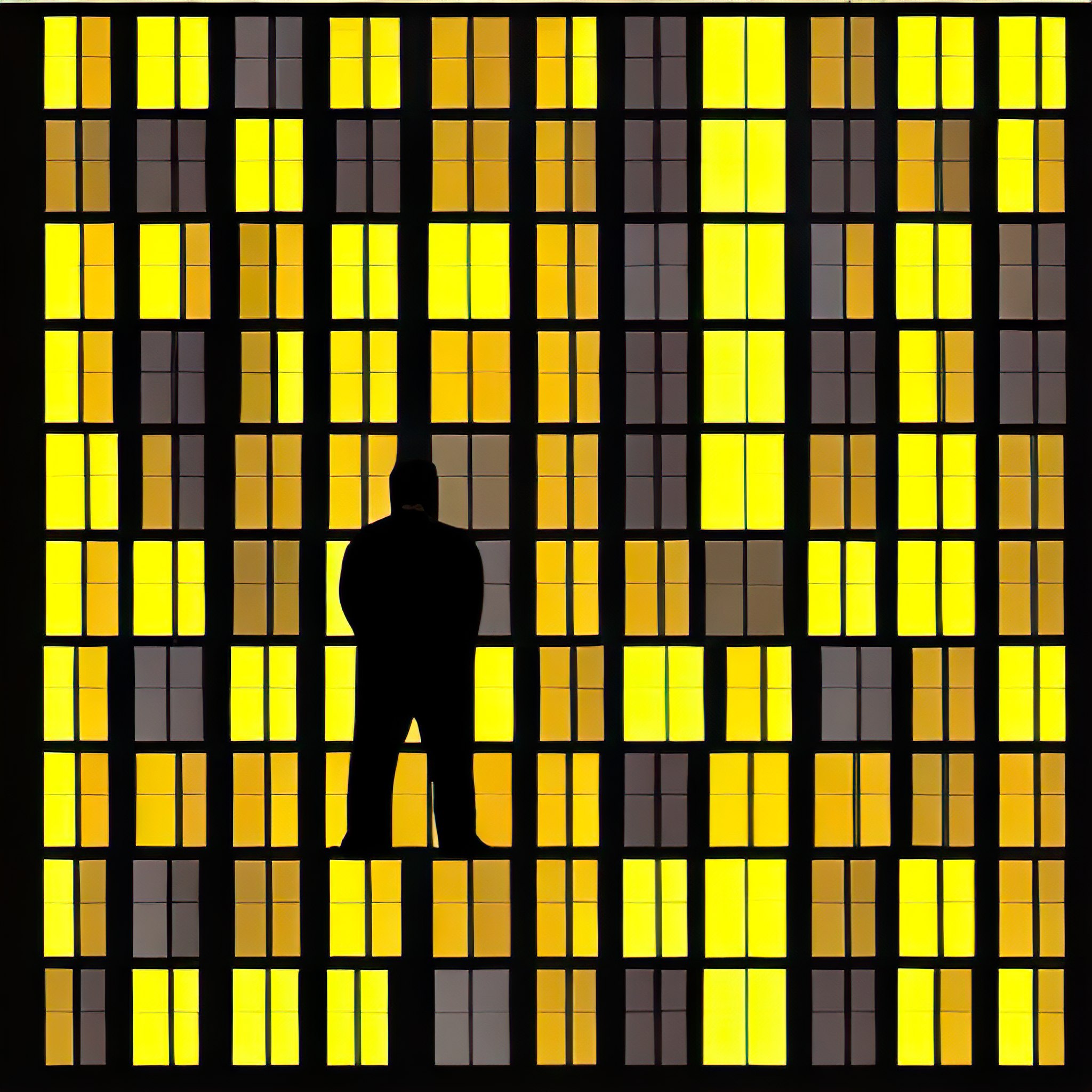
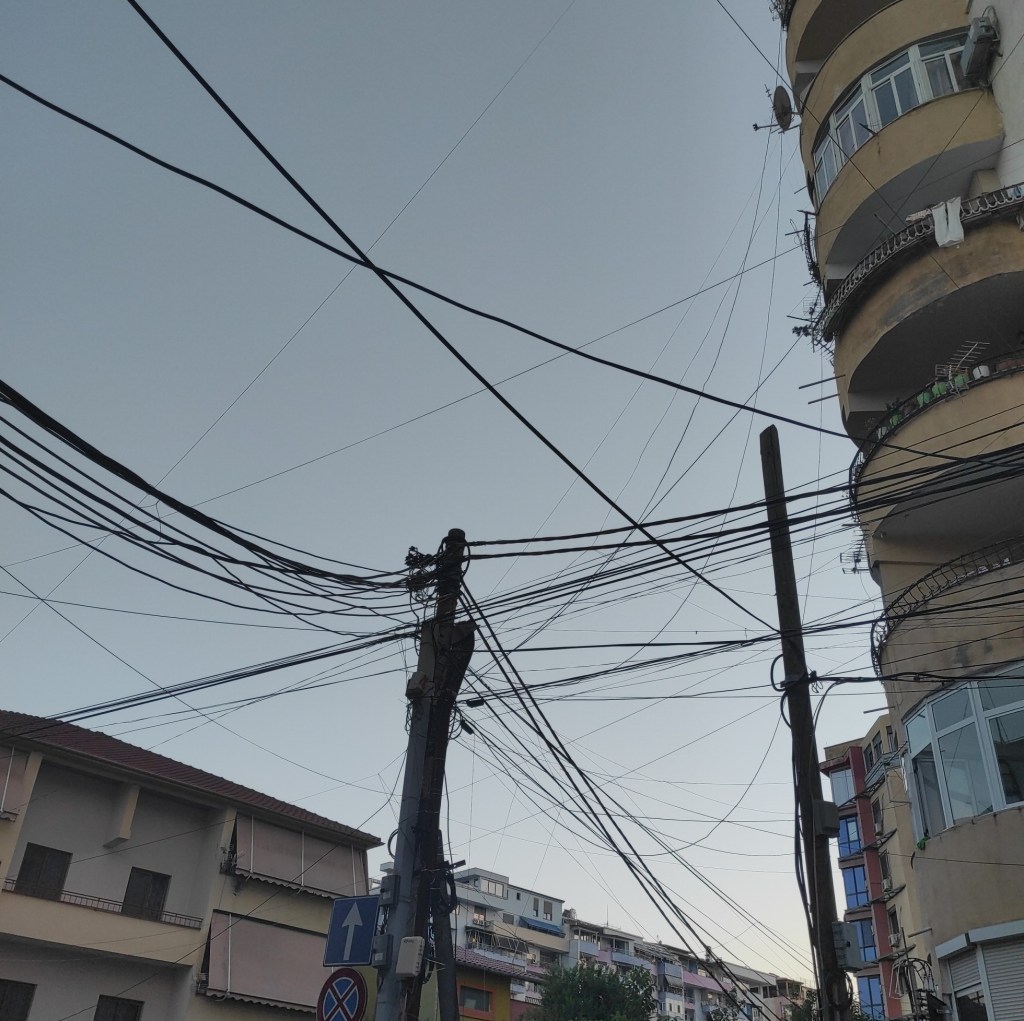
The answer to that is facing us. “Please do what my boss asks you to do. Otherwise, I’m gonna lose my rank, my privileges.”
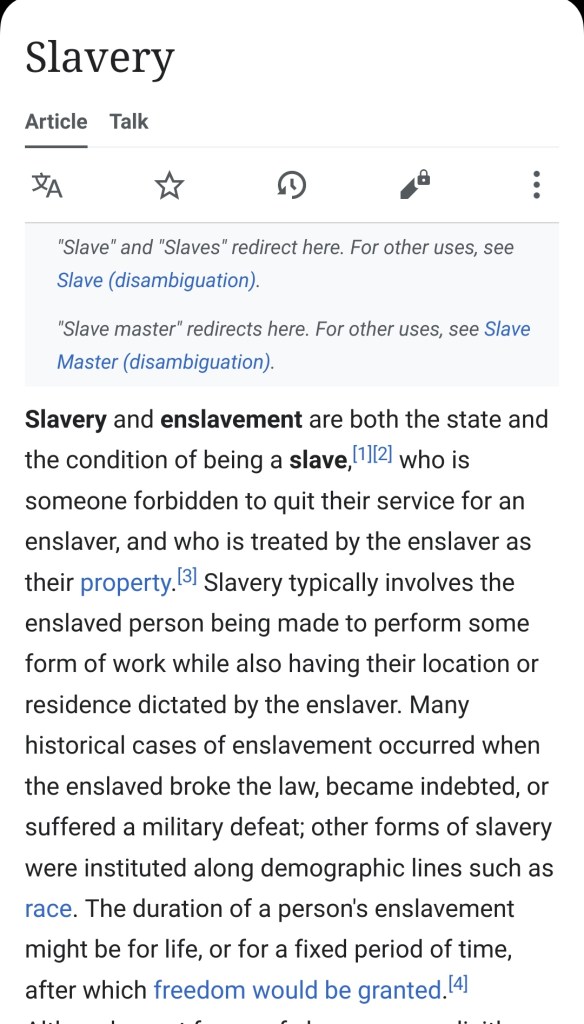
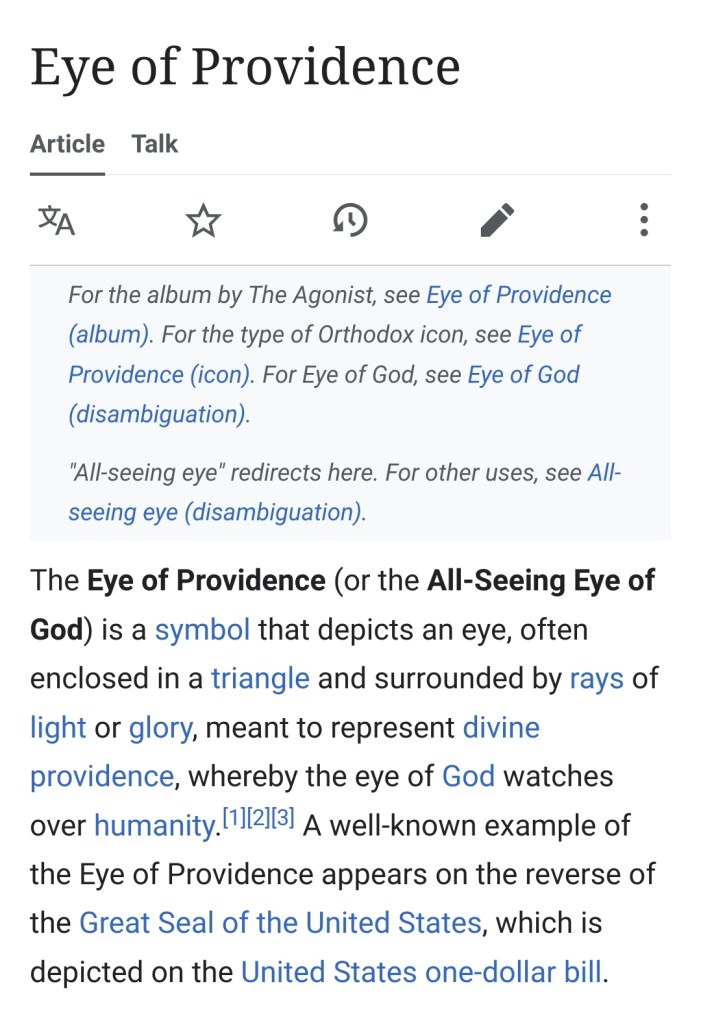
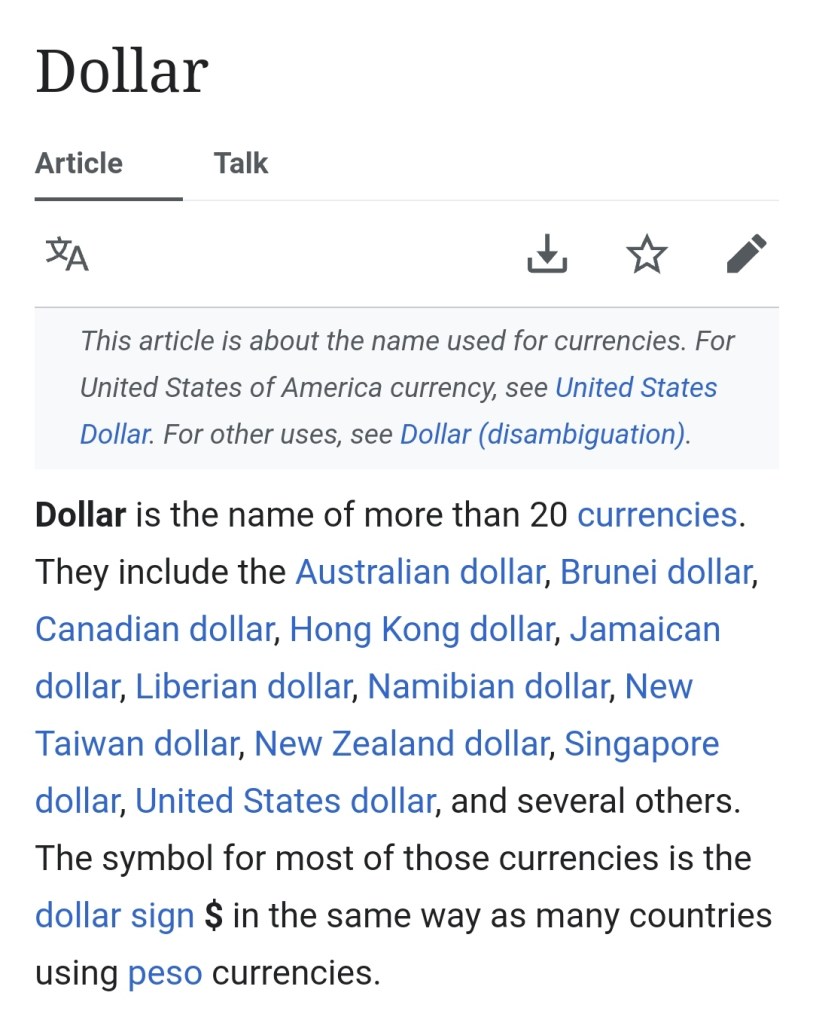
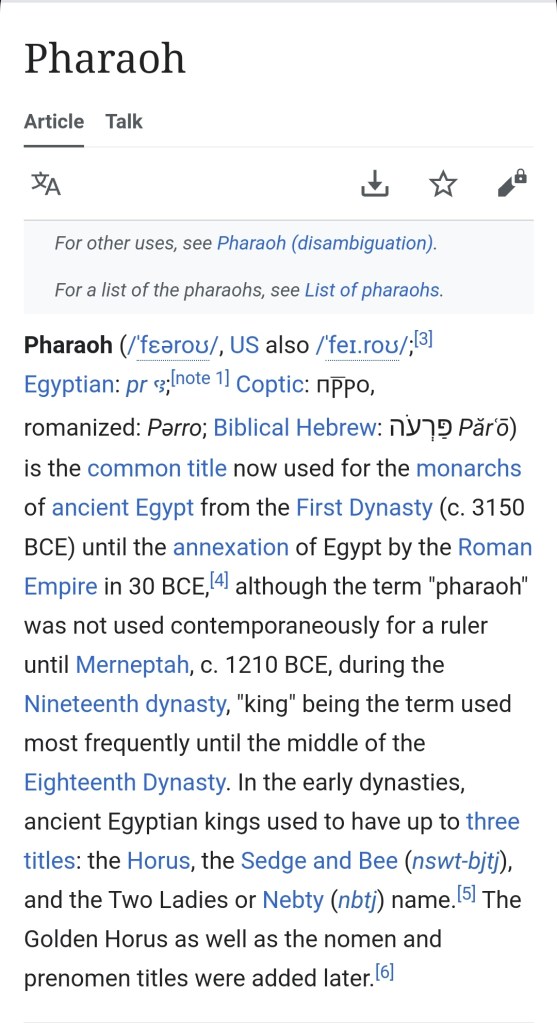
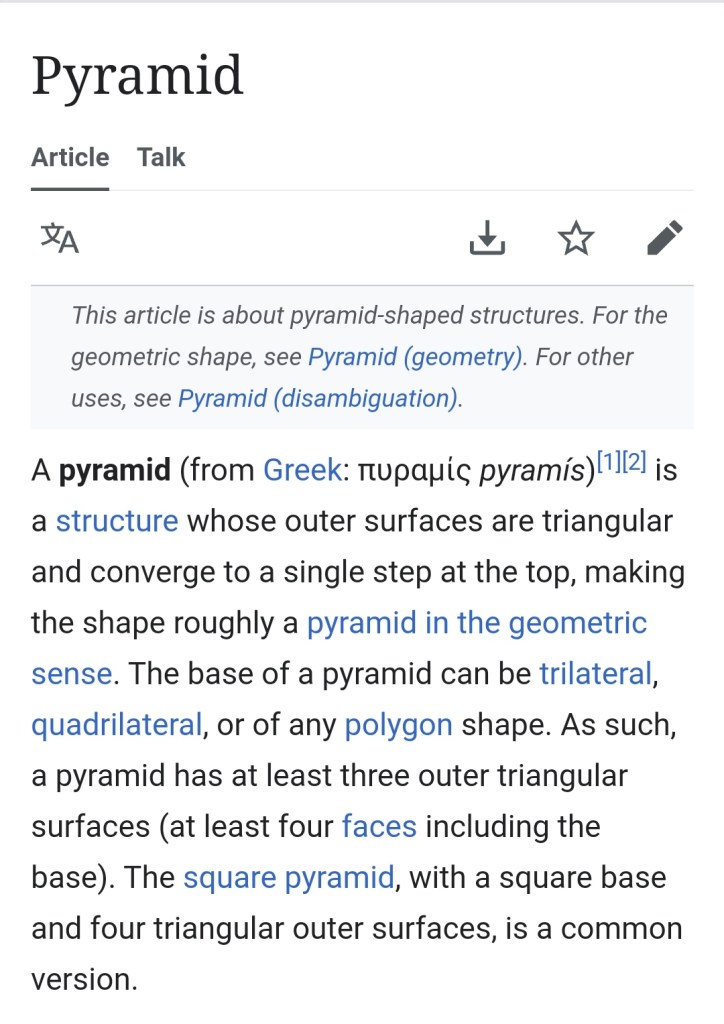
Are you ready? To see how it is all connected through a staircase of debt.
Those who will not reason, are bigots, those who cannot, are fools, and those who dare not, are slaves.”
Lord Byron
Harsh.
AI Created: Artificial Intelligence talking about Usury. (Coming Soon)
Me: Slavery by belief. How did a pharaoh and a few priests manage thousands of people to let them build those majestic buildings, in the middle of the desert, in those circumstances? Just by a belief in debt. Pyramid on the dollar.
ChatGPT (jan23):
The ancient Egyptians built monumental structures such as pyramids, temples, and tombs using large numbers of workers and slaves, and it is believed that a combination of factors led to the organization and management of this labor force.
One factor was the belief in the pharaoh as a god-king, and the belief that the pharaoh’s rule was legitimized by the gods. This belief helped to create a sense of obedience and loyalty among the population, and likely made it easier for the pharaoh and the priests to mobilize large numbers of people to work on construction projects.
Another factor was the use of a system of debt slavery, in which individuals and families who were unable to pay off their debts could be forced to work as slaves in order to pay off their debts. This system likely helped to provide a steady supply of labor for construction projects, as people who had fallen into debt could be forced to work on the pyramids and other monumental structures.
Another one was the belief in afterlife, the Egyptians believed that death was not the end of life, but rather a passage to the afterlife, where their souls would continue to live forever. Building monumental structures such as pyramids, temples, and tombs was a way for the pharaohs to ensure their place in the afterlife, and this belief likely motivated many people to work on these projects.
It’s worth noting that the pyramid building era was a long one and there were different pharaohs, priests, and social and economic conditions that changed over time. It’s not possible to say with certainty how the pharaohs and the priests managed to mobilize thousands of people to build these structures, but it is likely that a combination of religious beliefs, social and economic systems, and political power were all involved.
The metaphor of “Pyramid on the dollar” refers to a belief in the power of money, debt and the idea that that the pyramid represents the power of the elite, and the dollar represents the power of the financial system. It’s a metaphor that highlights the idea that the financial system can be used to control and manipulate the population in the same way that the pyramids were built with the labor of the masses.
Me: Why is there an Egyptian pyramid on the dollar?
ChatGPT:
The Great Seal of the United States, which appears on the back of the one dollar bill, features an image of an Egyptian pyramid with an eye above it. The pyramid is accompanied by the Latin phrase “Annuit Coeptis,” which means “He (God) has favored our undertakings,” and the phrase “Novus Ordo Seclorum” which means “New Order of the Ages.”
The pyramid and the eye, also known as the “Eye of Providence” or the “All-Seeing Eye,” is a symbol that has been used for centuries in various cultures and religions, and it is often associated with the idea of a higher power watching over humanity.
The use of the pyramid and the eye on the Great Seal of the United States is believed to symbolize the idea of a new order of the ages, and the idea that the nation’s founding ideals and values are being watched over and protected by a higher power. The pyramid also symbolizes the idea of strength, durability and longevity, which is in line with the idea of the USA as a nation built to last.
It’s worth noting that the pyramid and the eye are not exclusive symbols of Egypt, and the depiction of an Egyptian pyramid on the dollar is not necessarily intended to imply any specific connection to ancient Egypt. Rather, it is a symbol that is meant to convey certain ideas and values that are associated with the founding of the United States.
Me: But didn’t we do an Exodus on those pyramids?
ChatGPT:
I’m not quite sure what you mean by “an Exodus on those pyramids”, but I can tell you that the Great Seal of the United States, with the pyramid and the eye, was first proposed in 1782 and it was designed by the first Committee of Secretaries of the Congress. The design is based on the ideas of the Enlightenment, which emphasizes reason, liberty and the pursuit of happiness, and it has been interpreted as a symbol of the founding ideals of the United States.
The biblical story of the Exodus, in which the Israelites were led out of Egypt by Moses, is not directly related to the use of the pyramid on the Great Seal of the United States. The story of the Exodus is an important part of Jewish and Christian religious tradition, and it is not a direct reference to the use of the pyramid symbol on the dollar.
It’s worth noting that the choice of the pyramid as a symbol of strength and durability is not exclusive to Egypt, and it has been used by different cultures and civilizations throughout history. The pyramid is a powerful symbol that has been used to represent many different ideas and values, and its use on the Great Seal of the United States is intended to convey certain ideas and values associated with the founding of the United States, rather than to evoke any specific historical or religious references.
Me: If someone would lie about the origin of the pyramids on the dollar. Why would that be?
ChatGPT:
It is possible that someone might lie about the origin of the pyramid on the dollar in order to further a specific agenda or to promote certain ideas or values. For example, they might claim that the pyramid is a symbol of a particular political or ideological movement, when it is not. They may also claim that the pyramid has a specific historical or religious significance when it does not.
It could also be an attempt to mislead people or to obscure the true meaning and significance of the symbol. They might do this to create confusion or to distract people from the real issues at hand.
It’s also possible that someone might lie about the origin of the pyramid on the dollar in order to profit from it. For example, they might create merchandise or other products that feature the pyramid and claim that they are authentic or that they are connected to a specific historical or religious tradition, when in reality they are not.
It is important to note that these are just a few possible reasons why someone might lie about the origin of the pyramid on the dollar, and there could be many other reasons as well. It is always important to be skeptical of information and to verify it with reputable sources.
More: Could it be that lies are told to hide that we are still in a slavement-system of pyramidical debt?
ChatGPT:
Me: Egyptians used a system of credit and debt, recorded in a form of hieroglyphs on papyrus, to keep track of trade and financial transactions.
ChatGPT:
Yes, the ancient Egyptians used a system of credit and debt, which was recorded in a form of hieroglyphs on papyrus. These records, known as “debt papyrus,” were used to keep track of trade and financial transactions, and they provide evidence of a sophisticated system of credit and debt in ancient Egypt. The papyrus documents were used to record loans, interest rates, and other financial transactions, and they were used by individuals, as well as by institutions such as temples and government officials. These records indicate that the ancient Egyptians had a system of credit and debt that was similar to the concept of usury, where interest was charged on loans. However, the records also indicate that the government regulated interest rates and that there were limits on the amount of interest that could be charged.
Buy the AI a drink (in holofuel)
Extra:
Wikipedia:
- https://en.m.wikipedia.org/wiki/Slavery
- https://en.m.wikipedia.org/wiki/Eye_of_Providence
- https://en.m.wikipedia.org/wiki/Dollar
- https://en.m.wikipedia.org/wiki/Pharaoh
- https://en.m.wikipedia.org/wiki/Pyramid
Affiliate:
Books:
“Narrative of the Life of Frederick Douglass, an American Slave” by Frederick Douglass
“Incidents in the Life of a Slave Girl” by Harriet Jacobs
“The Half Has Never Been Told: Slavery and the Making of American Capitalism” by Edward E. Baptist
“Roots: The Saga of an American Family” by Alex Haley
“The Known World” by Edward P. Jones
“Gods, Graves, and Scholars: The Story of Archaeology” by C.W. Ceram
“The Civilization of Ancient Egypt” by Paul Johnson
“The Great Pyramid: Your Personal Guide” by John DeSalvo
“The Oxford History of Ancient Egypt” by Ian Shaw
“Slaves, Weapons, and Warriors in Early Egypt” by Dominique Valbelle
Documentaries:
“13th” (Netflix)
“Slavery by Another Name” (PBS)
“Traces of the Trade: A Story from the Deep North” (PBS)
“The African Americans: Many Rivers to Cross” (PBS)
“Enslaved: The Hidden Stories of the Transatlantic Slave Trade” (BBC)
“The Pyramids: An Enigma Solved” (History Channel)
“Secrets of the Pharaohs” (National Geographic)
“Egypt’s Lost Cities” (PBS)
“Mysteries of the Sphinx” (PBS)
“The Pyramids: Quest for Infinity” (Discovery Channel)
Movies:
“12 Years a Slave” (2013)
“Amistad” (1997)
“Django Unchained” (2012)
“Glory” (1989)
“Beloved” (1998)
“The Mummy” (1999)
“The Mummy Returns” (2001)
“The Sphinx” (1981)
“Agora” (2009)
“The Pyramid” (2014)
Songs:
“Strange Fruit” by Billie Holiday
“Mississippi Goddam” by Nina Simone
“Slavery Days” by Burning Spear
“The Cross of Changes” by Sol Invictus
“The World is Changing” by Otis Redding
“Egyptian Songs” by Cat Stevens
“Pharaohs” by Kendrick Lamar
“Sphinx” by Nick Cave and the Bad Seeds
“The Sphinx” by Fleet Foxes
“Egyptian Reggae” by Jonathan Richman
Artworks:
“Slaves on a Plantation” by Jean-Baptiste-Siméon Chardin
“The Banjo Lesson” by Henry Ossawa Tanner
“The Raft of the Medusa” by Théodore Géricault
“Harriet Tubman Series” by Kara Walker
“The Middle Passage” by Richard Yarde
“The Sphinx and the Pyramids of Giza” by Frederic Edwin Church
“The Great Sphinx of Giza” by Jean-Léon Gérôme
“Egyptian Landscape with the Pyramids of Giza” by Ludwig Deutsch
“The Pyramids at Giza” by William Henry Bartlett
“The Sphinx and Pyramids” by David Roberts
Purpose: to stimulate debate
Would you agree…
#Usury #UsuryC #UC001 #UC002 #UC003
 Usury
Usury 
Leave a comment