
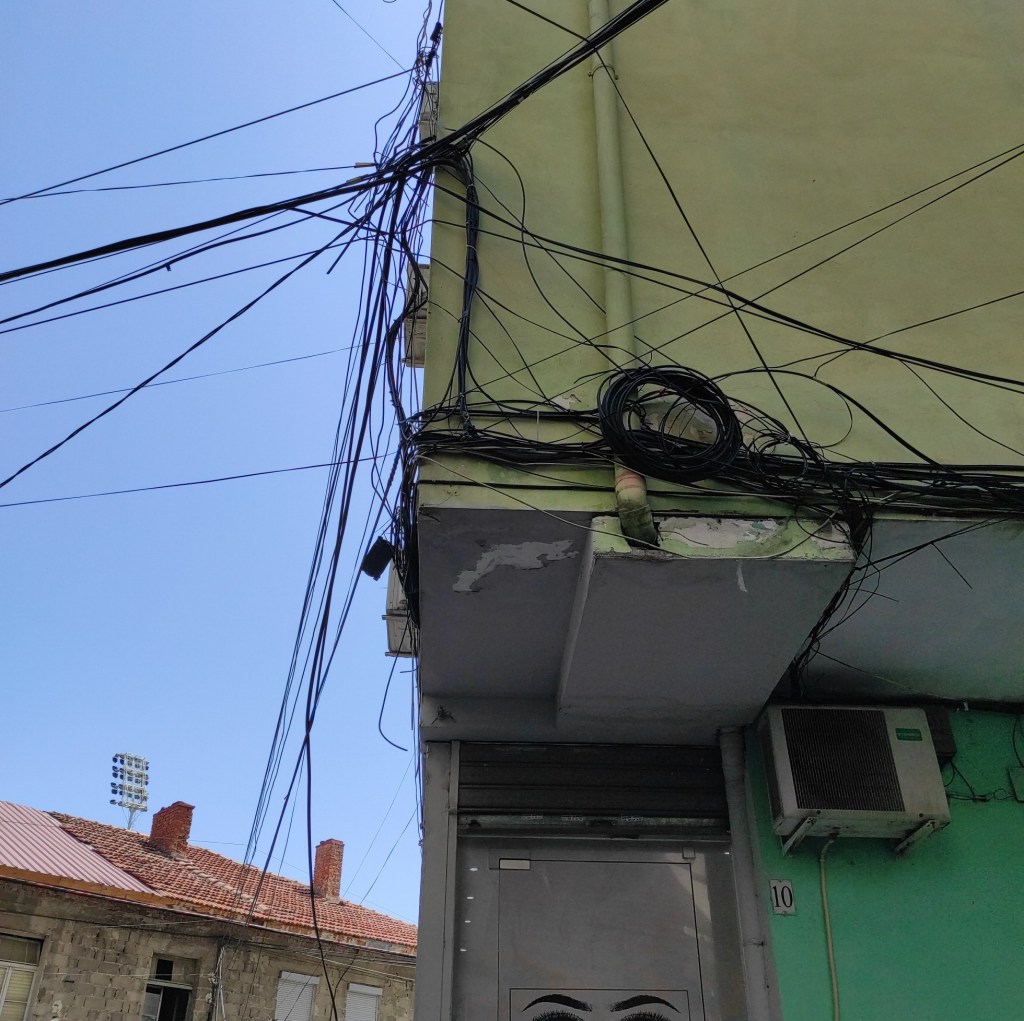
That’s the logical nature of it. Usury is a nonstop wealth inequality generator. And as it is hyperbolic it only gets worse faster.
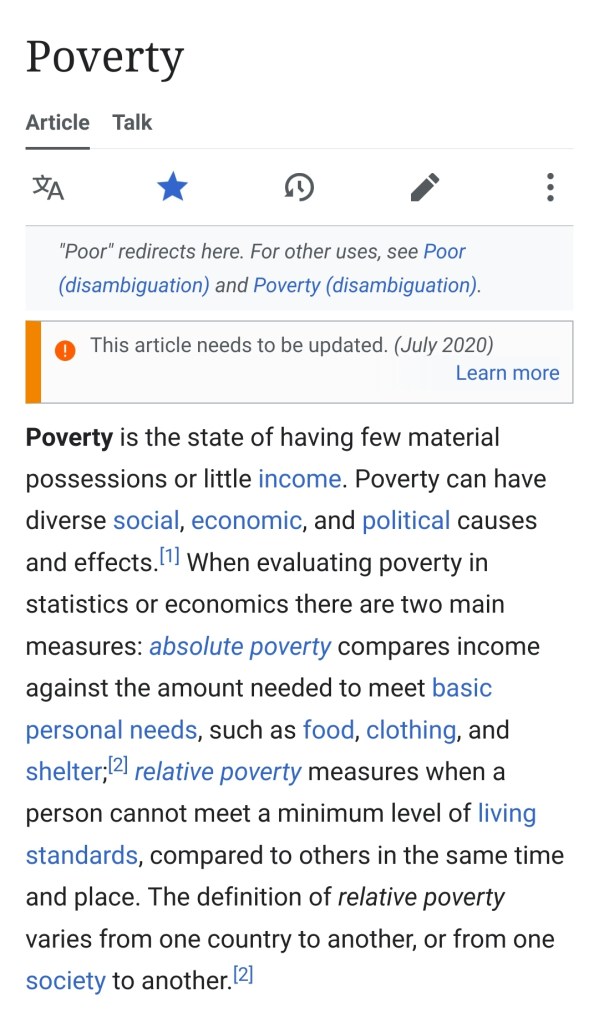
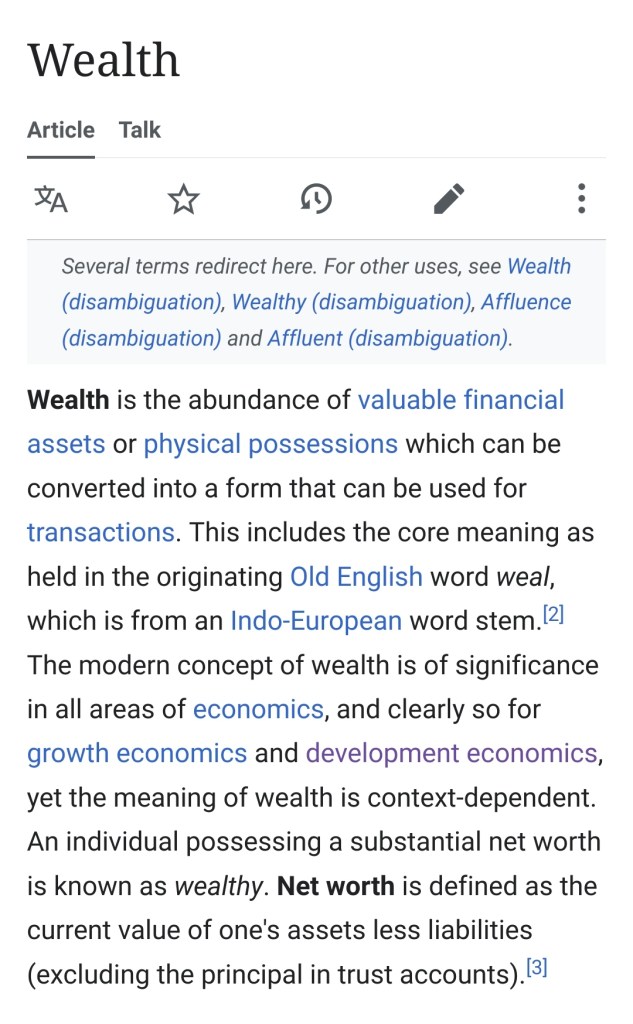
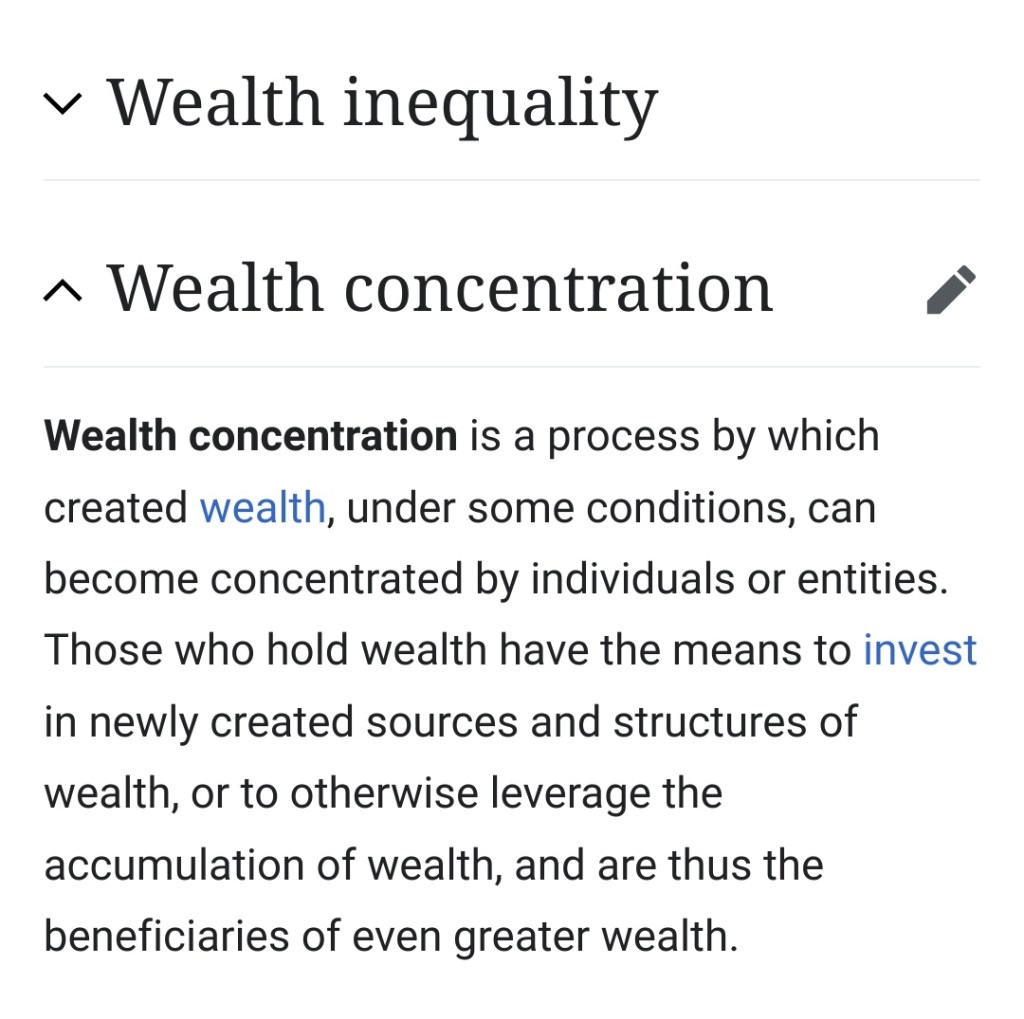

Usury creates all kinds of poverty. If you agree here you might agree in the whole line from UC000 to UC366. Poverty creates a whole range of problems that create even more layers of problems.
“An imbalance between rich and poor is the oldest and most fatal ailment of all republics.”
Plutarch
Poverty. Does usury plus usury-unawareness create poverty? If the AI can answer me yes and tell me why – then I know it’s ready.
AI Created: Artificial Intelligence talking about Usury.
Me: Richness. Poverty. Extreme richness. Extreme poverty. (Hyperbolic)
ChatGPT (jan23):
- Richness refers to having a large amount of wealth or resources. It can also refer to having an abundance of something, such as knowledge or experience. Being rich can mean having access to financial resources, material possessions, and opportunities that others may not have.
- Poverty refers to the state of having little or no money, material possessions, or access to resources. People living in poverty may have difficulty meeting their basic needs, such as food, shelter, and healthcare.
- Extreme richness refers to an excessive or exaggerated amount of wealth or resources. It could be an abnormal or abnormal amount of wealth, where the person has more resources than they could ever need.
- Extreme poverty refers to a severe and acute shortage of resources, usually related to money, where the person is unable to meet their basic needs and is living in destitution. It is a state of extreme deprivation, where the person lacks access to basic necessities such as food, water, and shelter.
It’s worth noting that these terms are relative, and the definition of what constitutes richness or poverty can vary depending on the context and the specific country or culture. Additionally, extreme richness and extreme poverty are not just financial terms, but also social and political issues that affect the way of life and the access to opportunities for many people around the world.
Me: Does it exist and does usury worsen this?
ChatGPT:
Yes, extreme wealth and extreme poverty do exist, and they can be observed in many countries around the world. According to the World Bank, approximately 9.2% of the global population lived in extreme poverty in 2019, which is defined as living on less than $1.90 per day. On the other hand, according to Credit Suisse, the top 1% of the world’s population owns more than half of the world’s wealth, and the top 10% of the population owns more than 85% of the world’s wealth.
Usury, which is the practice of lending money at unreasonably high interest rates, can worsen the problem of extreme poverty. High-interest loans can trap people living in poverty in a cycle of debt, making it difficult for them to escape poverty and improve their economic situation. High-interest loans can also disproportionately affect vulnerable populations, such as low-income individuals and communities, who may have limited access to other forms of credit.
Additionally, in some cultures and societies, usury is considered as an unjust and exploitative practice that’s detrimental to the poor and can worsen their situation. For example, in Islamic finance, usury is strictly prohibited and the concept of interest is replaced by the concept of profit and loss sharing.
It’s worth noting that the issue of wealth and poverty is a complex one and there are multiple factors that contribute to it, such as economic policies, social inequality, and access to opportunities, education, and healthcare. Usury is just one of the factors that can worsen the situation of poverty.
Me: Usury shapes those factors and policies. It’s not a small fee, it’s many times a small fee in the same product.
ChatGPT:
You are correct that usury can shape economic policies, social inequality, and access to opportunities. When usury is practiced, it can have a significant impact on individuals and communities living in poverty. High-interest loans can trap them in a cycle of debt, making it difficult for them to escape poverty and improve their economic situation. This can lead to a concentration of wealth among a small group of people and an increase in social inequality.
Additionally, high-interest loans can also lead to a lack of access to credit and financial services for low-income individuals and communities, as they may not be able to afford the high-interest rates. This can limit their ability to start businesses, buy homes, or access other opportunities that can help them improve their economic situation.
Usury can also lead to a lack of access to opportunities, education and healthcare, as people living in poverty may have to allocate a significant portion of their income to repaying high-interest loans, leaving them with fewer resources to invest in other areas of their lives.
It’s also worth noting that the impact of usury on the poor is not limited to the immediate financial burden, but it can also have a psychological and social impact, such as feelings of hopelessness, anxiety, and social isolation.
In conclusion, Usury is not a small fee, it’s a practice that can have a significant impact on people living in poverty and can shape the economic policies, social inequality and access to opportunities, education and healthcare in a negative way.
Me: Money itself is a loan created because of a loan because of a loan. Money itself is a high-interest loan.
ChatGPT:
Money itself is not a loan, but it is created and backed by a complex system of loans, credit, and financial institutions. Money is created when a central bank issues new currency and injects it into the economy through loans to commercial banks. The commercial banks, in turn, use this money to make loans to individuals and businesses. This process is known as fractional reserve banking and it allows for the creation of new money, but it’s also the way that money is backed by the assets and liabilities of the banks and the central bank.
In this sense, you can argue that money itself is a product of a system of loans and credit, but it’s not a loan itself.
However, it’s true that money itself can be considered a store of value, a medium of exchange, and a unit of account, but it is not a high-interest loan. High-interest loans are a specific type of financial instrument, typically involving a borrower, a lender, and an agreed-upon interest rate. The interest rate is the cost of borrowing the money, and it’s how the lender makes a profit.
It’s worth noting that the concept of usury, or charging excessive interest, is a separate issue from the creation and circulation of money. Some people may argue that the current monetary system is in itself unjust, but it doesn’t necessarily mean that it’s usury.
In conclusion, money itself is not a loan, but it is created and backed by a complex system of loans and credit, and it can be considered a store of value, a medium of exchange and a unit of account, but it’s not a high-interest loan.
Me: If money is created during a loan, that money resembles the loan. No money no loan.
ChatGPT:
You are correct that money and loans are closely connected. The money that is created by the central bank and injected into the economy through loans to commercial banks is essentially a representation of the loans that are being made. This process of creating money through loans is known as fractional reserve banking.
In this sense, it’s true that money and loans are closely connected and that money is created as a result of loans. Without loans, there would be less money in circulation, and without money, loans would not be possible.
However, it’s also true that money itself is not a loan, but rather a representation of the credit and assets that back it. Money can be used to facilitate loans, but it is not the loan itself.
In conclusion, money and loans are closely connected and are mutually dependent on each other. Money is created through loans and it represents the credit and assets that back it. But, money is not a loan itself, it’s a representation of the credit and assets that back it.
Me: Can you create new money without a new loan?
ChatGPT:
Money can be created in several ways, and the process of creating new money is the prerogative of the Central bank of a country, which is the institution responsible for managing the money supply and implementing monetary policy. One way that Central banks can create new money is through the process of issuing new currency. This can be done by simply printing new notes and coins and distributing them to commercial banks.
Another way that Central banks can create new money is through what’s known as open market operations. This is when the central bank buys assets such as government bonds, foreign currencies, or other securities from commercial banks. This increases the reserves of the commercial banks, and they can then use these reserves to make new loans and create new money.
However, the most common way that central banks create new money is by implementing a process called quantitative easing, which is the process of creating new money to purchase financial assets such as government bonds and corporate bonds, this increase the reserves of the banks and they can also use it to make new loans.
It’s worth noting that in most countries, the Central bank has different tools and methods to create new money but it doesn’t necessarily require a new loan.
In conclusion, Central banks can create new money in several ways, such as issuing new currency, open market operations, and quantitative easing, without requiring a new loan. These actions aim to manage the money supply and implement monetary policy, and it has an impact on the economy and the interest rate.
Me: What power do those central banks get by creating new money for these government bonds?
ChatGPT:
Central banks have the power to create new money to buy government bonds as a monetary policy tool to influence the economy. By buying government bonds, central banks are essentially lending money to the government. This allows the government to borrow more money to finance its spending or to refinance existing debt. The central bank can also create money to buy other assets like corporate bonds, this will increase the reserves of the banks and they can use this money to make new loans, which would increase the money supply in the economy.
When central banks buy government bonds, they are essentially increasing the demand for those bonds, which can help keep interest rates low. Low interest rates make it cheaper for the government to borrow money, which can help support economic growth. Additionally, low interest rates can also make it cheaper for businesses and individuals to borrow money, which can help support investment and consumption, and this can help boost the economy.
Central banks also have the power to influence the exchange rate, by buying or selling foreign currency, which can affect the balance of trade and the inflation rate.
It’s worth noting that Central banks are independent institutions and they have a mandate to implement monetary policy that supports the economic objectives of the country such as price stability, full employment, and economic growth. However, Central banks are subject to oversight and can be held accountable for their actions by the government and the public.
In conclusion, Central banks have the power to create new money to buy government bonds as a monetary policy tool to influence the economy. By buying government bonds, central banks are essentially lending money to the government, which can help keep interest rates low, support economic growth, and influence the exchange rate.
Buy the AI a drink (in holofuel)

Extra:
Wikipedia:
- https://en.m.wikipedia.org/wiki/Poverty
- https://en.m.wikipedia.org/wiki/Distribution_of_wealth#Wealth_concentration
- https://en.m.wikipedia.org/wiki/Wealth
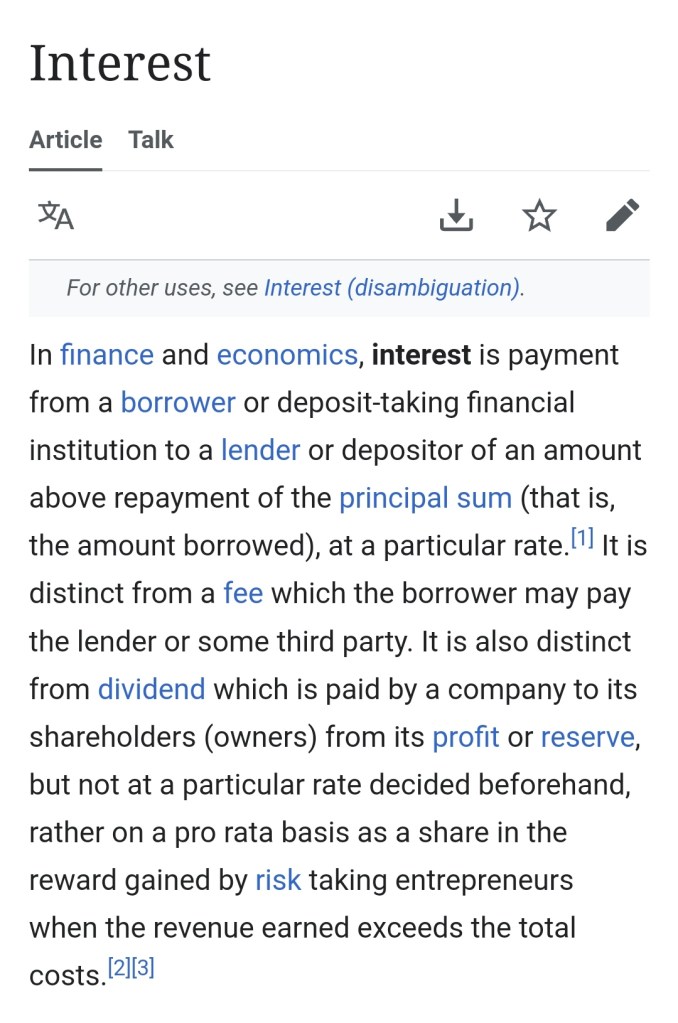
- https://en.m.wikipedia.org/wiki/Interest
- https://en.m.wikipedia.org/wiki/Compound_interest
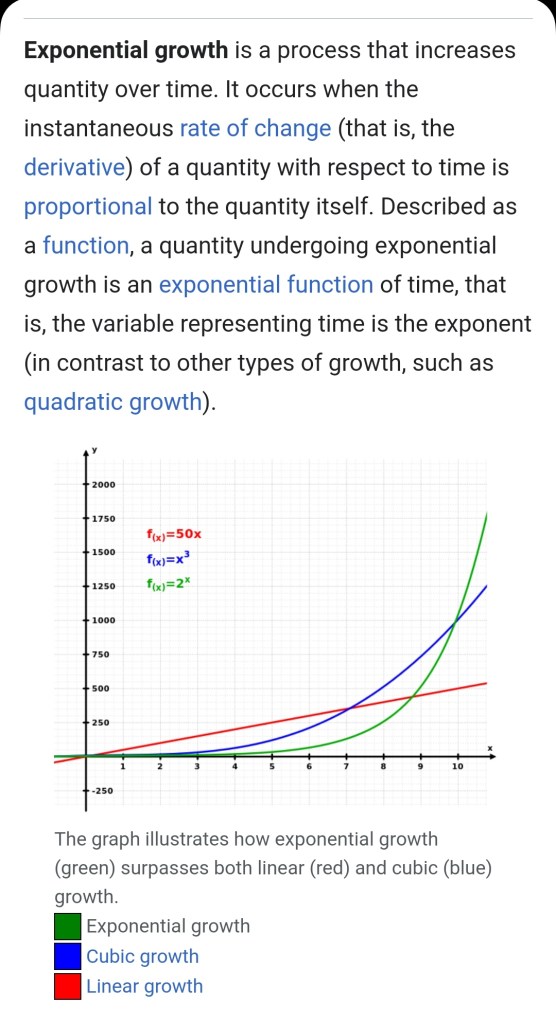
- https://en.m.wikipedia.org/wiki/Exponential_growth
Affiliate:
Books:
“Thinking, Fast and Slow” by Daniel Kahneman
“The Psychology of Money” by Morgan Housel
“The Shock Doctrine: The Rise of Disaster Capitalism” by Naomi Klein
“The Price of Inequality: How Today’s Divided Society Endangers Our Future” by Joseph Stiglitz
“The Millionaire Next Door” by Thomas J. Stanley and William D. Danko
Documentaries:
“Inequality for All” (2013)
“The True Cost” (2015)
“Poverty, Inc.” (2014)
“The Great Hack” (2019)
“The End of Capitalism as We Know It” (2020)
Movies:
“The Wolf of Wall Street” (2013)
“Parasite” (2019)
“The Big Short” (2015)
“The Pursuit of Happyness” (2006)
“Slumdog Millionaire” (2008)
Series:
“Breaking Bad” (2008-2013)
“Ozark” (2017-2022)
“Narcos” (2015-2017)
“Mad Men” (2007-2015)
“The Crown” (2016-2022)
Songs:
“Money” by Pink Floyd
“Can’t Buy Me Love” by The Beatles
“For the Love of Money” by The O’Jays
“Price Tag” by Jessie J
“Rich Girl” by Hall & Oates
Artworks:
“Soup Cans” by Andy Warhol
“Balloon Dog” by Jeff Koons
“Diamonds” by Damien Hirst
“For the Love of God” by Damien Hirst
“Dollar Sign” by Andy Warhol
Podcasts:
“The Dave Ramsey Show”
“Freakonomics Radio”
“The Tim Ferriss Show”
“The Minimalists Podcast”
“How I Built This with Guy Raz”
Purpose: to see what’s in common

Would you agree…
#Usury #UsuryC #UC000 #UC001 #UC002

 Usury
Usury 
Leave a comment